Trending

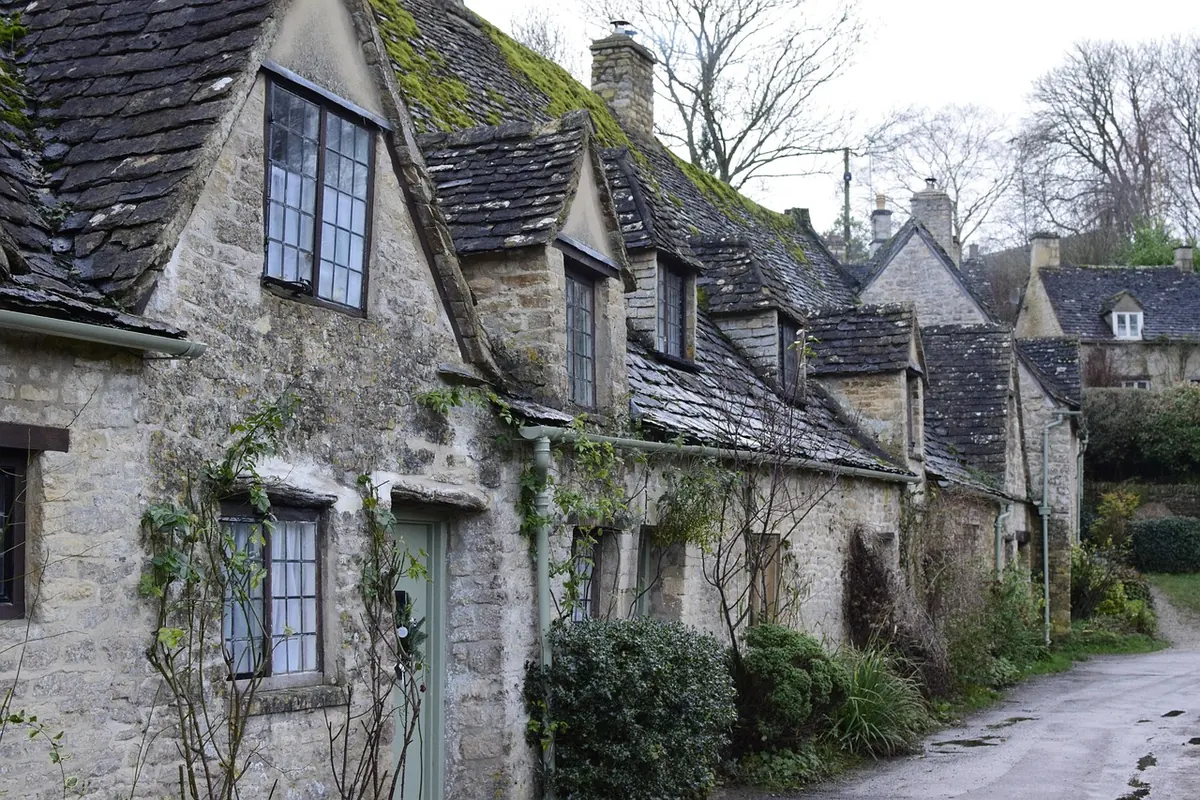
Two nights in a stone farmhouse above Swaledale, breakfast at eight, a host who knows which pub is serving food on a Tuesday. Or a week in a converted barn near Malham with a wood burner, a boot room, and nobody to answer to. Both are the Dales done properly. The question is which one suits the trip you're actually taking.
Most disappointing stays come from comparing the wrong things: a cottage's weekly price against a B&B's nightly rate, or a hotel-style expectation against a host's family home. Here's how the two stack up on the things that decide it.
A B&B rate is per room, per night, and it usually folds in breakfast, heating, linen, cleaning and someone on site if the shower misbehaves. For two people, that's a predictable number and there's nothing else to budget for.
A cottage is priced for the property, not the headcount. For a couple, a two-bedroom cottage often costs more than a good B&B room, and you've added cooking and washing up. Split four or six ways, the same cottage can come out cheaper per head — and a kitchen trims meal costs if you cook two or three nights.
Then read the small print. Cleaning fees, fuel or electricity, a log bundle, dog supplements, a cot, an agency booking fee. Short breaks often carry a higher nightly rate than a full week, so a three-night weekend can feel expensive next to seven nights in the same place.
Do the sum the honest way: cost per person per night, plus the breakfast you'd otherwise be served, plus one meal out if you'd rather not cook. Then decide.
Cottages win on privacy, and it's not close. Your own front door, your own timetable, wet kit in a boot room rather than draped over a radiator, dinner at ten if the walk ran long. If you want to be unsociable, no one notices.
B&Bs are rarely the fussy, small-talk cliché people imagine. But you are in someone's home. Old Dales buildings have thick walls and creaking floors, rooms can be compact, and the sitting room may already be occupied by the guest who got there first. The trade-off is real, though: a host who dries your boots, books you a table, and tells you the bridge at the bottom of the lane is closed.
Weather in the Dales can swallow a whole day's plan by nine in the morning. A cottage with a sofa, a stack of books, a decent kitchen and a washing machine handles that far better than a single B&B room. If being looked after when it pours sounds better than entertaining yourself, book the B&B.
In a B&B, breakfast is served in a set window, often somewhere between eight and nine-thirty, and some hosts will start earlier for walkers if you ask the night before. Mention dietary needs when you book, not when you sit down. Check whether breakfast is included — a few places are room-only, and some offer a continental hamper instead of a cooked plate.
In a cottage, breakfast is your job. That's freedom plus admin. If you're arriving late, order a grocery delivery or stop at a supermarket on the way in. Larger Dales towns and villages often have a shop, farm shop or deli, but opening hours are shorter than you'd expect and not every hamlet has one. Worth packing for a self-catering breakfast:
Cottages are usually the easier option with a dog, but "pet friendly" covers a wide range. Ask before booking: how many dogs, is the garden enclosed, are dogs allowed upstairs, is there hard flooring, is there an outside tap. Many owners ask that dogs aren't left alone in the property, which rules out a long pub lunch indoors.
B&Bs vary even more. Some welcome one well-behaved dog in a specific room, some keep dogs out of the breakfast room entirely, and most charge per night or per stay. Confirm in writing rather than turning up hopeful.
Outdoors, remember where you are: sheep, lambs and ground-nesting birds. Keep dogs on leads near livestock and on farmland, expect tighter rules during lambing and nesting season, and follow any temporary signs on paths. Leave gates as you find them.
Cottages commonly ask for a two- or three-night minimum, with longer minimums at bank holidays and over Christmas and New Year. Weekly lets often run Friday-to-Friday or Saturday-to-Saturday, so a midweek four-night break can be better value than a weekend in the same house.
B&Bs are more flexible midweek, though many won't take a single night at weekends and a few add a small supplement if you do. Check-in differs too: cottages often release a key-safe code for mid-afternoon arrival, while B&Bs usually want you there within a window so someone can let you in. Get directions as well as a postcode — in the Dales, a postcode can drop you at the wrong end of a track, and arriving in the dark on a single-track lane is no fun.
Read the cancellation terms properly, including when the balance is due. Some policies are strict. If the cost is significant, check what your travel insurance or card cover actually includes rather than assuming it applies, and take advice from the insurer or a qualified adviser if the sums are large.
Book the one that fits the trip you're taking, not the one that photographs best.
Photo: HarryJBurgess / Pixabay