Trending


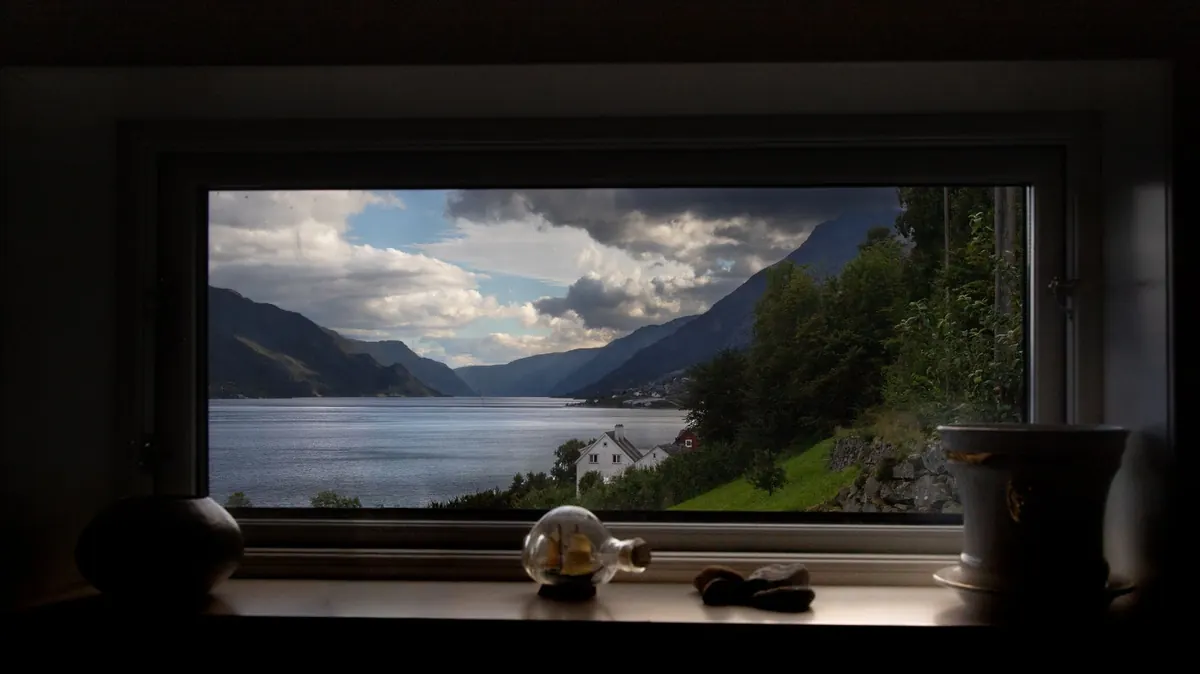
There is a particular kind of Dales cottage photograph: low beams, a wood burner, a view of a limestone wall running uphill. What the photograph rarely shows is the storage heater that takes six hours to warm through, the single-track lane you have to reverse down in the dark, or the fact that the bathroom is up a twisting staircase you did not plan for. None of that should put you off booking. It simply needs checking before you pay, rather than after you arrive with a car full of shopping and a tired dog.
Before anything else, pin down the practical shape of the booking. Which day is changeover, what time can you arrive, and what time must you leave? Many cottages run Friday-to-Friday or Saturday-to-Saturday in peak season and switch to flexible short breaks out of season, with minimum night rules that change by month.
Then work out who you are actually paying. There is a difference between booking through an agency, paying an owner directly, and paying a large platform that sits in the middle. All three can work well, but the terms differ, and so does the person you ring when the boiler stops.
Ask for the full address before you pay, not just "near Hawes" or "Langthwaite area". You want it for planning, for the drive, and as a sanity check that the place exists where it claims to.
If anyone asks you to pay by bank transfer outside a booking platform, with no written contract, slow down. Ask for terms in writing and a named contact. A legitimate owner will not mind.
Old stone cottages hold cold. That is charming in July and less so in February. So ask, in plain words, how the place is heated.
If you are arriving in winter, ask whether the heating can be switched on a few hours before you get there. Most owners will say yes. Some will forget, so mention it again the week before.
"Parking available" can mean a private gravel bay beside the door, or a lay-by forty metres up a lane shared with a working farm. Ask how many cars fit, whether the space is off-road, and whether the surface is tarmac, gravel or grass. Grass plus rain equals a spinning wheel.
Single-track lanes with passing places are normal here. Ask whether you will need to reverse, whether the lane is steep, and whether a low car will ground on the entrance. If you are arriving after dark, ask what the lane is like in the dark, and whether there is any lighting at all.
It is also worth asking about gritting in winter. Some lanes are treated and some are not, and that difference decides whether you need to park at the bottom and walk up with your bags.
Rural broadband varies enormously. "Wifi available" can mean a reliable connection or something that copes with email and nothing else. Ask for a rough idea of speed, and be specific about what you need: streaming, video calls, or nothing at all.
Mobile signal is the bigger surprise. Some valleys have almost none, and coverage differs by network, so ask which networks work inside the cottage rather than in the village car park. If you plan to work, ask where the router sits and whether there is a proper desk and chair, not a kitchen stool.
If you genuinely need to be offline, plenty of cottages offer that too. Just decide which you want before you book, not on the first morning.
This is the part worth ten minutes of your time. Ask for the cancellation policy in writing before you pay anything, and read how the refund changes as your arrival date approaches. A deposit is often non-refundable; the balance may be refundable only within a window, or not at all.
Then check the edges: what happens if the owner has to cancel, when is a damage deposit returned, and what extras appear on the final bill. Pets, cleaning, late check-out and electric vehicle charging are common add-ons. If you are travelling with a group splitting costs, agree who pays what before the deposit goes out.
Cancellation cover is worth considering for a trip booked months ahead, since illness, weather and family emergencies do happen. Policies differ a great deal, so read the terms or speak to the provider directly before you rely on any of them.
Converted barns and old cottages come with character, and character usually means steps. Thresholds, narrow doorways, low beams and uneven flagstones are all common. So are bathrooms upstairs, ground-floor loos with a step down, and showers over a deep bath.
If anyone in your party has mobility needs, ask for photographs of the front entrance, the stairs and the bathroom. Ask whether there is a ground-floor bedroom, whether the shower is walk-in, whether there are grab rails, and whether the bed is high or low. Owners are usually honest when asked a direct question, and vague when asked a general one.
Travelling with children or dogs raises its own questions: is the garden enclosed, is there a stream or pond nearby, are there livestock in adjacent fields, and are feather duvets used if anyone has allergies?
Copy these into a note and tick them off as you go. It takes less time than one wrong turn down a Dales lane.
A good Dales cottage holiday is not about finding the prettiest listing. It is about matching the place to the trip you have in mind: a quiet week of walking, a family gathering with three cars, a working break that needs reliable broadband, or a winter weekend with a fire and nothing else planned.
Ask the questions, get the answers in writing, and pay with confidence. Then pack the boots, a torch for the lane, and something warm for the evening when the mist comes down over the tops.
Photo: ROMAN ODINTSOV / Pexels