Trending

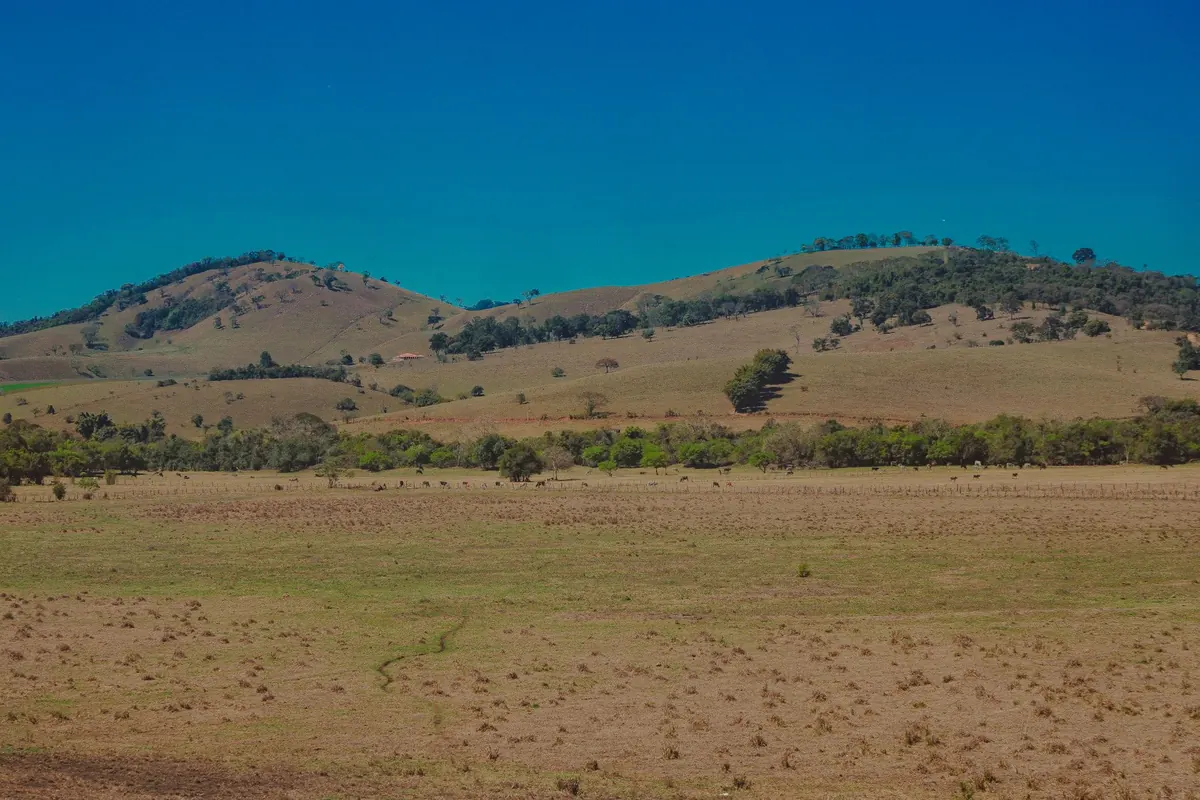
Say "Yorkshire Dales" and most people picture the same handful of places: Malham Cove, Aysgarth Falls, the road over Buttertubs. All worth the trip, all shared with a coach park and a queue for the classic view.
The dales that stay empty are the ones without a through road — side valleys that end at a farm gate or a stretch of moor, where the only traffic is a tractor and the only sound is water and lambs. Six of them are worth building a day around, whether you're walking, riding or carrying a camera. None of them will ask you to share the path with a crowd.
Littondale branches off Wharfedale at Kilnsey and runs north-west through Arncliffe, Litton and Hawkswick to Halton Gill, where the tarmac gives up and the moor takes over. Pen-y-ghent rises above the head of the dale, so the walking is serious without being busy.
Arncliffe is the stop worth making: a green, a low bridge over the River Skirfare and a churchyard that photographers return to for late-afternoon light. A riverside path links the village with Litton, an easy hour each way with a pub at either end. From Halton Gill, a track climbs toward Foxup and the open moor — the point at which you leave the last of the traffic behind.
Cyclists get a rolling lane with very little on it, though the climb back over to Wharfedale is a real one. Park sensibly in the villages; the verges narrow quickly.
Leave Wensleydale at Bainbridge and follow the narrow lane south past Marsett to Semer Water, and you've found one of the few natural lakes in the Dales — and one of the quietest corners of the national park. The road effectively ends at the water, which is exactly why it stays peaceful.
Two villages sit on the shore: Countersett on the north side, Stalling Busk on the south, where the old chapel stands roofless above the water. It's a short climb from the parking area and one of the best low-light subjects in the area.
Three ways to spend a couple of hours:
Mornings give you still water and reflections; the wind usually arrives by lunchtime.
Coverdale runs between Wensleydale and Wharfedale, starting near Coverham and threading through Carlton, Melmerby, Horsehouse and West Scrafton before the road rears up over Park Rash and drops into Kettlewell. This is a working dale of barns, hay meadows and scattered farms rather than a tourist route.
At the eastern end, Coverham Abbey's remains and gatehouse stand beside the road in a field — a ten-minute stop that most drivers pass without noticing. Further up, the valley narrows, the woods close in, and the meadows in early summer are as good as any in the Dales.
For cyclists, Park Rash is the draw: short, steep and satisfying, with a memorable descent into Kettlewell. Walkers can link Coverdale with both neighbouring dales on waymarked paths, though the climbs are long and the tops are exposed.
Waldendale opens off Wensleydale near West Burton — a short, straight valley with a beck down its middle and a lane that simply stops at Walden Head. No village, no café, no viewpoint car park. That is the appeal.
Start in West Burton, where the green and the falls below the bridge are worth ten minutes, then follow Walden Beck up the dale. The path is clear enough in dry weather and rough underfoot after rain. At the head, the remains of old lead workings sit among the grass, with open moor above.
Come for the middle section if you're photographing: the beck runs over rock slabs there, and the valley sides are thick with bracken in late summer. Boots, not trainers.
Barbondale sits on the western edge, connecting the Lune valley with Dentdale by way of Barbon, Gawthrop and a single-track road that twists through woodland with the beck somewhere below you. The lower stretch is thick with beech and oak; higher up the trees fall away and the valley opens into rough pasture.
Cyclists like it precisely because it isn't a destination — it's a link, so traffic is light and mostly local. Drivers should take it slowly: blind bends, passing places, and sheep that treat the road as an extension of the field. Walkers can use the dale as the start of a longer day onto Barbon Low Fell or across toward Dent.
Misty mornings here are worth the early alarm. The trees hold the damp, and the light comes through in shafts.
Crummackdale hides behind Austwick, off the Ribble valley, and ends at a farm below Moughton Scar. The walking is short by Dales standards but the scenery is concentrated: limestone pavement, drystone walls, ash woods and a scatter of boulders known as the Norber erratics, perched on small limestone plinths where the ice left them.
From Austwick, a path leads up the dale past Crummack farm; from there you can loop back over the top or continue toward Clapham. It's a half-day rather than a full one, which makes it ideal for a short winter afternoon or a stop on the way further north.
For photographers, the erratics are the set piece, best in low sun when the plinths throw long shadows. Limestone pavement is uneven and slick when wet, so grip matters.
Quiet valleys are quiet because they aren't set up for visitors. A little preparation goes a long way:
Pick one valley rather than three. Half the pleasure of these places is the pace they force on you — a slow climb, a long look at the water, and a pint at the end of the lane if you've timed it well.
Photo: Lucas Pezeta / Pexels