Trending

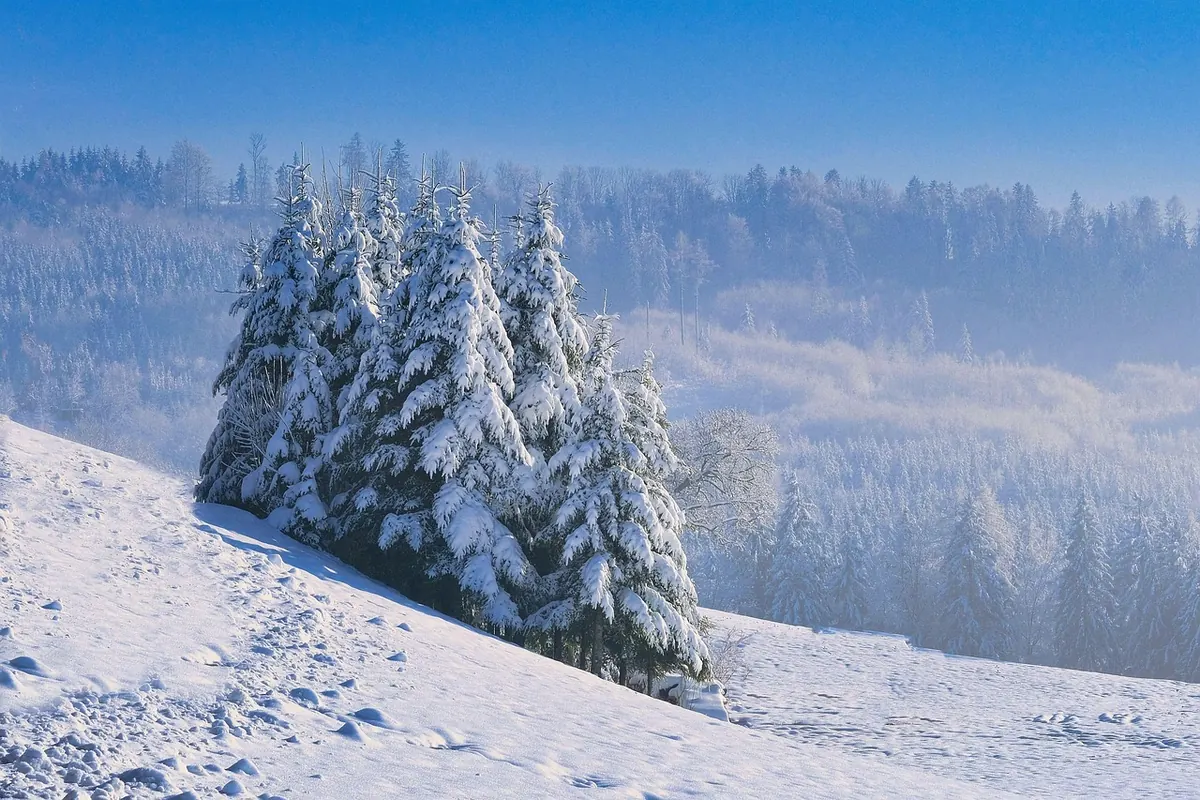
Malham Cove at eight in the morning in January is a different place. The limestone is white with frost, the beck is loud, and there is nobody else on the path. By half past three the light has dropped behind the hills and you are walking back to the car park by torchlight. Winter is one of the best times to be in the Dales, and one of the easiest times to get caught out: the tea room you were counting on is shut, the lane you drove in July is sheet ice, and the day is two hours shorter than you budgeted for. Here is what to expect between November and March.
The landscape never closes. Public footpaths, bridleways and open access land stay open all year, with one caveat: some grouse moors restrict access on shooting days, and signs at the access points will tell you when. Beyond that, winter opening in the Dales falls into four rough categories.
Toilets matter more than people admit. Village facilities and car park blocks are often locked in winter; the reliable ones are at visitor centres, larger pubs and the main dales car parks. Treat every listing as a starting point and make the call. Five minutes on the phone beats a forty-minute drive to a locked gate.
In mid-December the sun clears the hills around twenty past eight and is gone before four. That is roughly seven and a half hours of light, and the useful middle of it is shorter still — the first hour and the last are dim, and valley floors stay shaded long after the tops are lit. By late January you have gained a noticeable hour in the afternoon. February feels generous: by the middle of the month you can still be walking at half five.
The habits that work are simple. Be on the path by nine. Set a turn-around time rather than a destination, and stick to it even if the summit looks close. Plan a descent you would be relaxed about doing in the dark, because you might be. Carry the headtorch on your body rather than leaving it in the car, and tell someone your route, since phone signal in the dales comes and goes behind every limestone ridge.
Gritters cover the A-roads and the main B-roads. They do not cover the single-track lanes above 300 metres, which is exactly where the best walks start. In a cold snap, expect the unclassified lanes around Malham, Kettlewell, Langthwaite and Dent to be untreated, and expect the high crossings — Fleet Moss between Wharfedale and Wensleydale, the Buttertubs Pass, Park Rash, the Coal Road above Dent, the road up to Tan Hill — to be the first to close and the last to open.
Drive to the conditions, not to the speed limit. Keep the revs low, brake gently and early, and if you meet someone on a narrow lane in ice, the person going uphill generally has the harder job of getting moving again. Sat navs will happily route you over a moor in January; override them. Keep a scraper, a shovel, warm layers, a charged phone and a full tank of fuel in the car, and park so you are not blocking a farm gate or a field access.
Cotton is the one fabric to leave at home. Everything else is a matter of layers and spares.
Winter gives back more than it takes. Waterfalls run at full spate after rain, the Three Peaks wear a dusting of snow that makes them look like proper mountains, and you can walk for an hour without seeing anyone. The national park is also an International Dark Sky Reserve, and the clearest nights of the year — cold, crisp, after a front has passed through — are the best stargazing you will get anywhere in England.
One safety note worth repeating: do not walk onto frozen tarns or reservoirs, whatever the ice looks like from the shore. No ice in the Dales is reliably thick enough to trust.
Do that, and a Dales winter is the quietest, sharpest version of the place you will ever see.
Photo: shogun / Pixabay